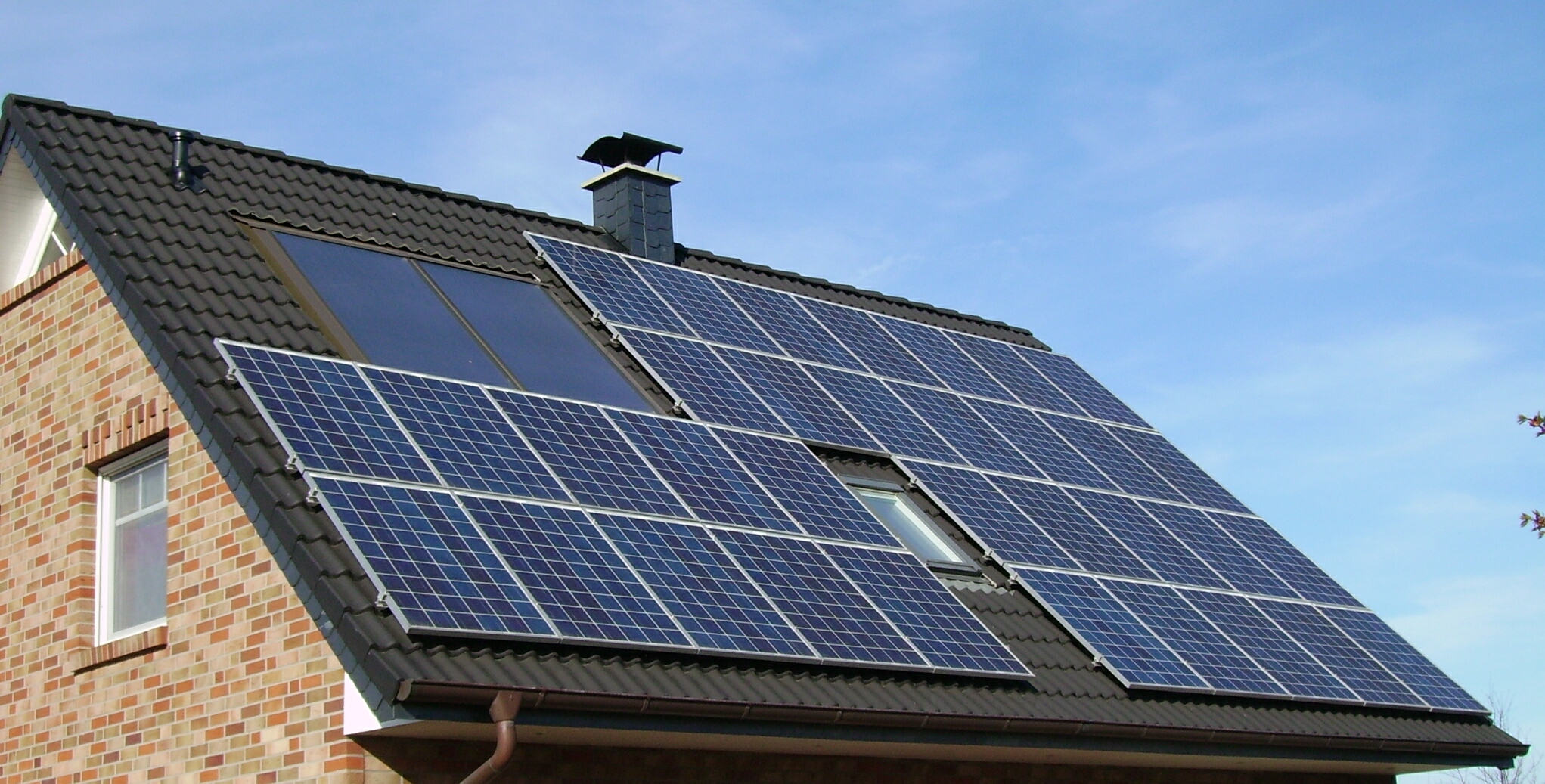
Solar panels function across a wide range of temperatures and light conditions. In Canada, where winters are long and sunlight patterns vary significantly by latitude and season, understanding how these systems behave throughout the year is relevant to assessing their suitability for a given location.
How Photovoltaic Cells Generate Electricity
Photovoltaic (PV) cells convert light — specifically photons from sunlight — directly into electricity through the photovoltaic effect. When photons strike a semiconductor material (typically silicon), they knock electrons loose, creating an electric current. This direct conversion does not require heat; only light.
A standard residential solar panel contains multiple cells wired together. Panels are then connected in strings and arrays to produce usable amounts of electricity, which is converted from direct current (DC) to alternating current (AC) by an inverter before being used in the home.
Cold Temperatures and Panel Efficiency
A common misconception is that solar panels require heat to work. In fact, PV panels perform more efficiently in cold temperatures than in heat. As semiconductor materials warm up, electrical resistance increases, which reduces the voltage output of the panel. The specific relationship between temperature and output is documented in each panel's temperature coefficient — typically expressed as a percentage drop in power per degree Celsius above a standard test condition of 25°C.
In practice, this means a solar panel on a clear January day in Calgary or Ottawa can produce electricity at or above its rated capacity, provided sufficient sunlight is available. The challenge in Canadian winters is not cold — it is reduced daylight hours and the possibility of snow coverage on panels.
Temperature coefficient — what it means
- Standard test condition (STC): 25°C cell temperature, 1000 W/m² irradiance
- Typical coefficient: −0.3% to −0.5% per °C above STC
- At −10°C (35° below STC), output may increase by roughly 10–17%
- At 40°C (15° above STC), output decreases by roughly 5–7%
Snow Accumulation
Snow on solar panels temporarily reduces output to near zero if coverage is complete. In most cases, panels shed snow relatively quickly due to their smooth glass surface and tilt angle. Heat generated during daylight hours also contributes to melting from the underside of a snow layer.
Installers in Canadian climates typically factor snow losses into annual production estimates. The amount of loss depends on the roof pitch, panel angle, regional snowfall patterns, and local temperature. Panels installed at steeper angles tend to shed snow more effectively.
Manually clearing panels is possible but should only be done with appropriate equipment and following manufacturer guidance, as improper contact with the panel surface can cause damage.
Solar Irradiance Across Canadian Provinces
Solar irradiance — the amount of solar energy received per unit area — is the primary driver of how much electricity a residential system can produce annually. In Canada, irradiance is measured in peak sun hours (PSH), which represents the equivalent number of hours per day at an irradiance of 1000 W/m².
Southern regions of Ontario, Alberta, and Saskatchewan receive annual irradiance levels broadly comparable to parts of northern Europe where residential solar is common. Northern latitudes receive considerably less, particularly in winter months, though summer days are correspondingly longer.
Regional patterns
- Southern Ontario: Moderate year-round solar resource; winter days are short but summers are productive
- Southern Alberta and Saskatchewan: Among the highest solar irradiance in Canada, with dry conditions and high sunshine hours
- British Columbia (southern): Variable; coastal areas have more cloud cover than the interior
- Quebec: Productive summers; cold, snowy winters affect winter output
- Atlantic provinces: Moderate irradiance; coastal cloud cover reduces consistency
System Output Over the Year
Residential solar systems in Canada produce significantly more electricity in summer than in winter. A system that produces a large surplus in July may produce only a fraction of that in December. Net metering programs allow homeowners to bank summer production credits against winter consumption, which is an important element of how residential solar is financially structured in provinces where these programs are available.
Annual production estimates are typically provided by installers based on local irradiance data from Natural Resources Canada and similar sources. These estimates account for average cloud cover, seasonal variation, and system losses.
Diffuse Light and Overcast Conditions
Solar panels generate electricity from diffuse light — the scattered sunlight present even on overcast days — not only from direct sunlight. Output is lower under cloud cover than under direct sun, but not zero. On a heavily overcast day, production may be 10–25% of peak capacity. This means panels continue to generate electricity throughout the year, including during grey winter days, though at reduced levels.
References and further reading: